Someone has asked you why you’re with your partner, and you had an answer ready, and it was fine. It was about how you met, or how long it’s been, or the fact that things are good. None of that was the question.
I’m asexual and I’m in a relationship, and those two facts in one sentence confuse a lot of people, so let me get the boring part out of the way. It doesn’t mean I don’t love people. It doesn’t mean I’m waiting for the right person to fix it. I just don’t experience sexual attraction. That’s all.
That is not one person’s special arrangement, either. Pooling seven studies across 4,032 asexual people, Antonsen and colleagues found 74% reported experiencing romantic attraction. And when Clark and Zimmerman asked both questions separately, 89% of allosexual adults had a romantic orientation that matched their sexual one, against 37% of asexual adults. Two questions, stacked so tightly that most people never see the seam, and one group who cannot miss it.
But a dial at zero doesn’t remove a feeling. It removes a shortcut. And without the shortcut you’re made to answer, at the beginning, the question most people don’t reach until about year three.
Why this person.
the question you never had to answer
For most people, sexual attraction arrives first and does an enormous amount of work before any thinking starts. It points at somebody. It supplies the urgency. It makes the next three months happen more or less on their own, and by the time the urgency settles you’re already in something, and the question changes from why this person to do I leave.
That’s a much worse question to be holding, because by then you have years in the account and leaving has a cost that choosing never had.
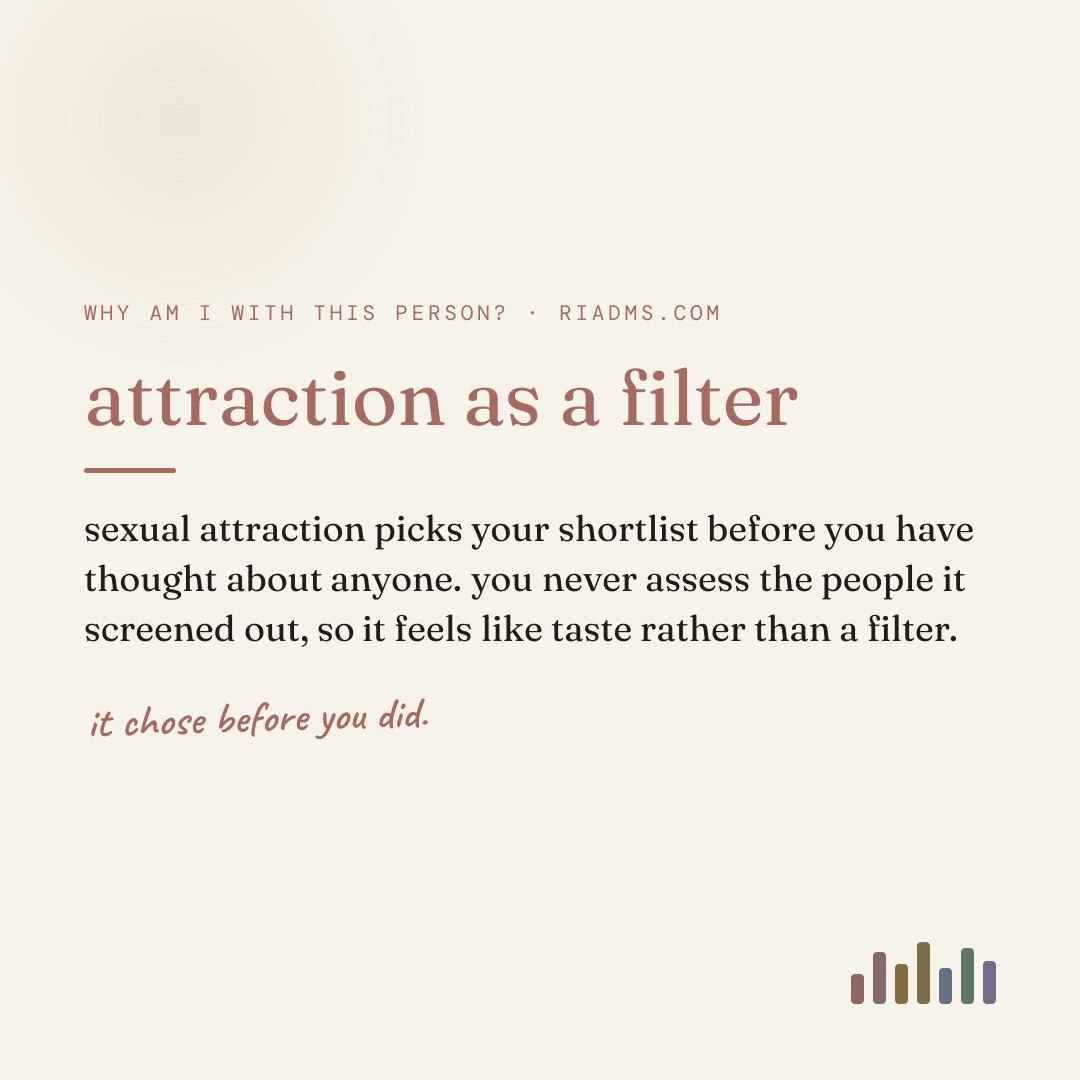
I want to be careful about the word filter, because it sounds like an insult and it isn’t one. A filter isn’t a mistake. It’s just a step that happens before you’re aware of it. In 2003 the psychologist Lisa Diamond argued in What does sexual orientation orient? that romantic love and sexual desire are two systems with separate origins, bolted together by evolution because in most people they point the same way. Bolted together, and not the same machine. When one of them is running loudly, it’s very hard to tell what the other one is doing, or whether it’s doing anything at all.
I’ve never had that problem, and I don’t say that as an advantage. I say it because it’s the only reason I can describe the other one cleanly.
come think with me
one letter a week.
the word for one feeling you’ve had but couldn’t name, and why it works that way. the same thing you just read, in your inbox, once a week.
- one letter a week, about a ten minute read
- all nine printable workbooks, free
- the research, with its caveats kept in
- hit reply and it reaches me. i read every one
no pressure, no spam, no gatekeeping. unsubscribe anytime · riadumitrescu.substack.com
all of this is free and it stays free. if it gave you a word you didn’t have, you can buy me a coffee.
listen to which direction your answer points
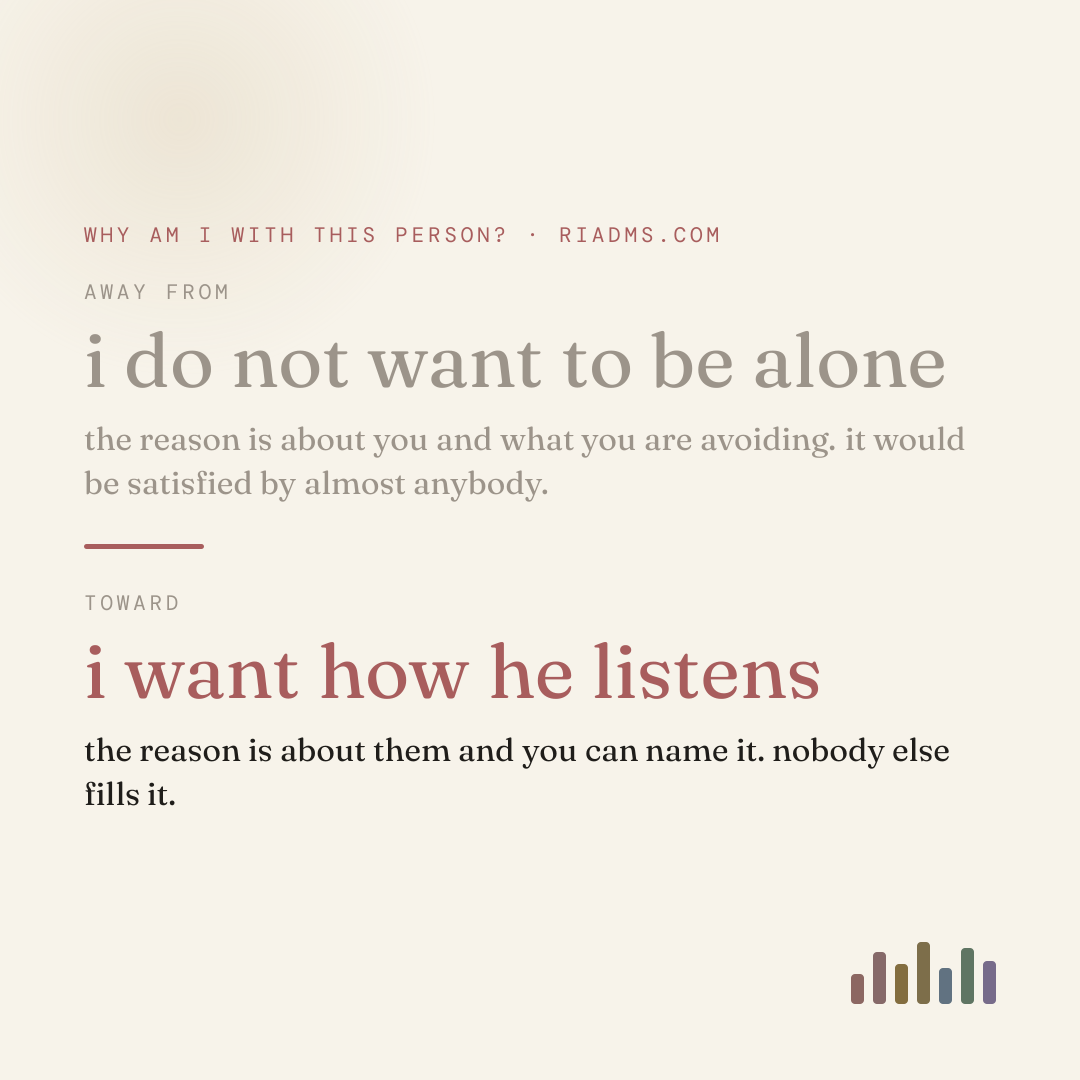
Ask somebody why they’re with their person and you get one of two kinds of answer, and they sound similar out loud.
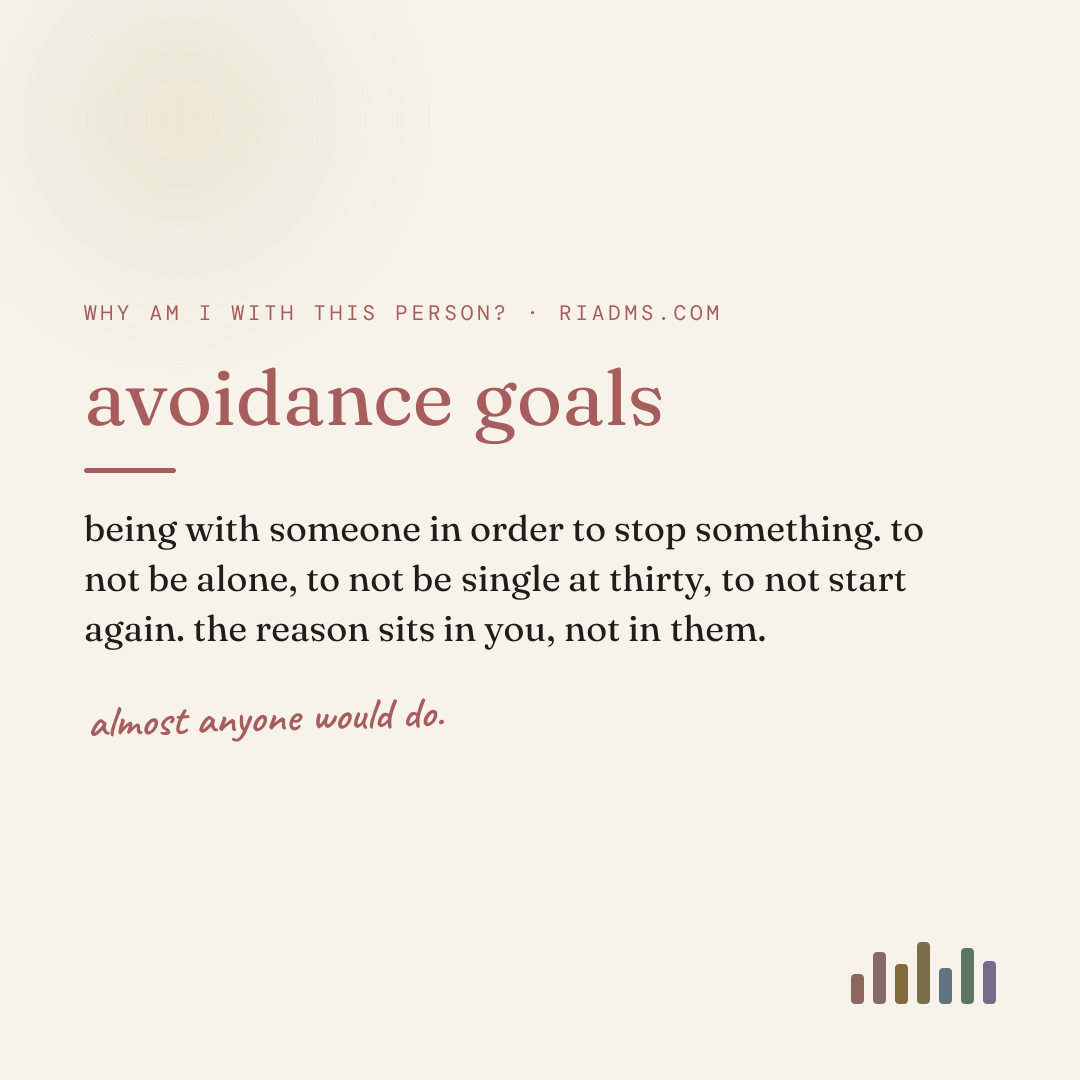
I don’t want to be alone. I don’t want to still be single at thirty. I don’t want to start over, I don’t have it in me to start over. I don’t want to be the last one.
Every one of those is real, and I’m not going to be snide about any of them, because they’re the most human reasons there are. But notice what they have in common. They’re all about you. The person you’re describing is barely in the sentence. And a reason that’s about you would be satisfied by almost anybody who happened to be standing there.
And there’s a finding here that goes against what everybody assumes about settling. In 2013 Stephanie Spielmann and colleagues ran seven studies on the fear of being single. People high in it stayed dependent on relationships they said were unsatisfying, were slower to end them, showed romantic interest in less responsive partners, and at a speed-dating event said yes to more people. All of that survived controlling for anxious attachment.
The part I keep coming back to is this. Fear of being single was unrelated to their stated standards. They did not want less. They wanted exactly what everyone else wanted, and then chose as though they didn’t.
So settling isn’t a lowering of the bar. It’s a gap that opens between what you’d say you’re looking for and what you actually walk toward, and the gap is invisible from the inside because the stated version never changed.
what actually happens to chemistry
Here is the sentence everybody has heard: chemistry fades. It’s usually said with a shrug, as advice, and it’s doing a lot of damage, because it flattens two different things into one.
In 2009 Bianca Acevedo and Arthur Aron ran a meta-analysis of 25 studies, roughly 6,000 people, and separated romantic love from obsession. The results went in opposite directions. Romantic love without the obsessive part tracked with satisfaction in long relationships. The obsession tracked against it. So the thing that fades was never the thing that lasts, and people who say chemistry dies are usually describing the part that was supposed to.
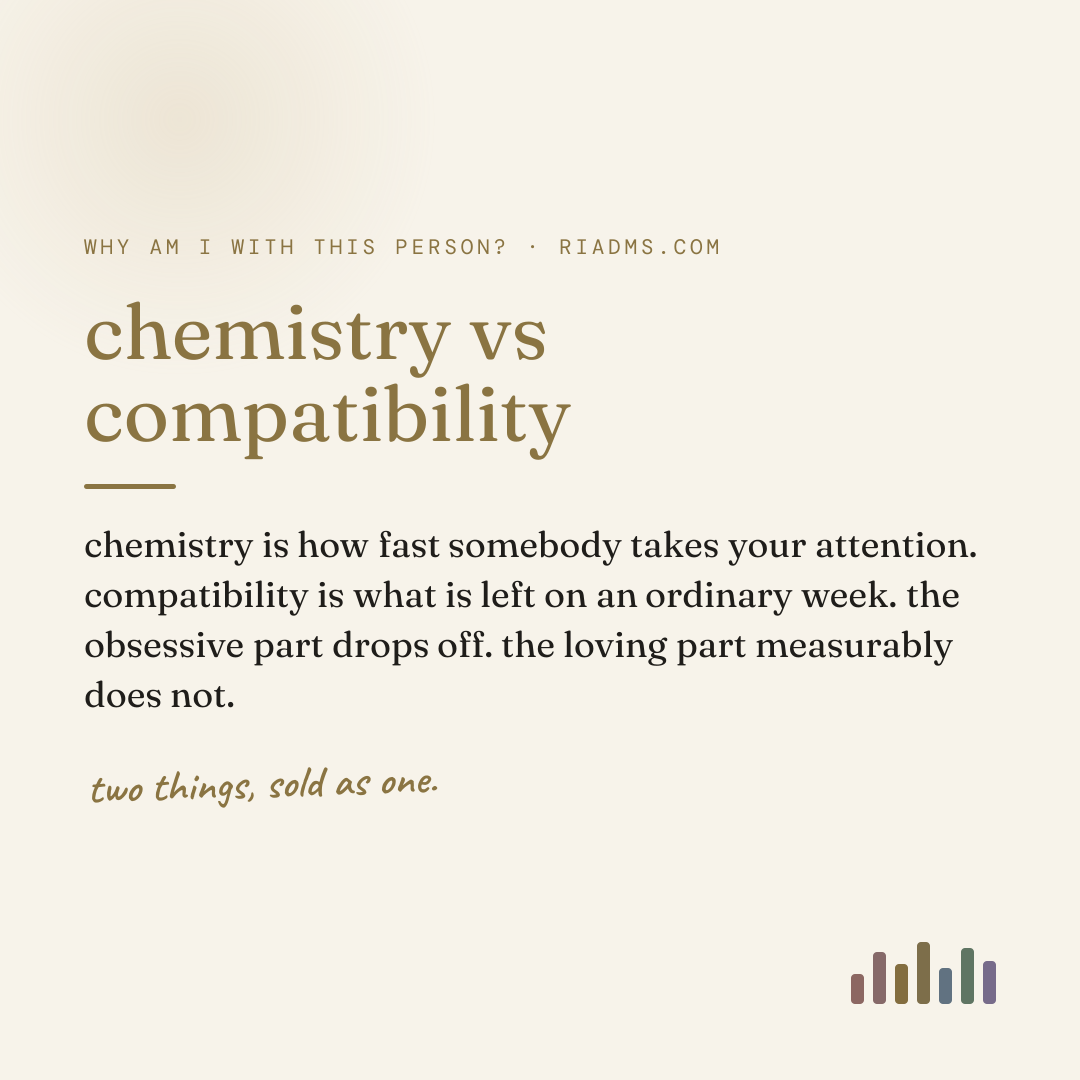
This is why the shrug is bad advice. If you believe the good part is the part that fades, you’ll read the arrival of calm as the end of something, and you’ll go looking for the jolt again with somebody new, and you’ll get exactly six more months of it.
Now the harder half, because I don’t want to hand you the comfortable version either. The reassuring line is that passion goes and the friendship stays. Elaine Hatfield built that distinction, wrote the scale everyone measures it with, and then went and tested it in 2008 on 53 newlywed couples a year apart and 240 women aged 50 to 82. Her own words: time had a corrosive effect on love, “but to our surprise it appeared to have an equally detrimental effect on both passionate and companionate love.”
starting from the other end
I was single for about three years before this relationship, and that gap is the part of my story that actually matters, because I had no physical reason to be in a relationship and therefore no physical reason to stay in a bad one. Before that stretch I dated the way everyone does. Somebody at a party looked interesting, and two weeks later I’d end it, because there was nothing underneath and I had nothing pulling me to stay long enough to build something.
So I started from the other end.

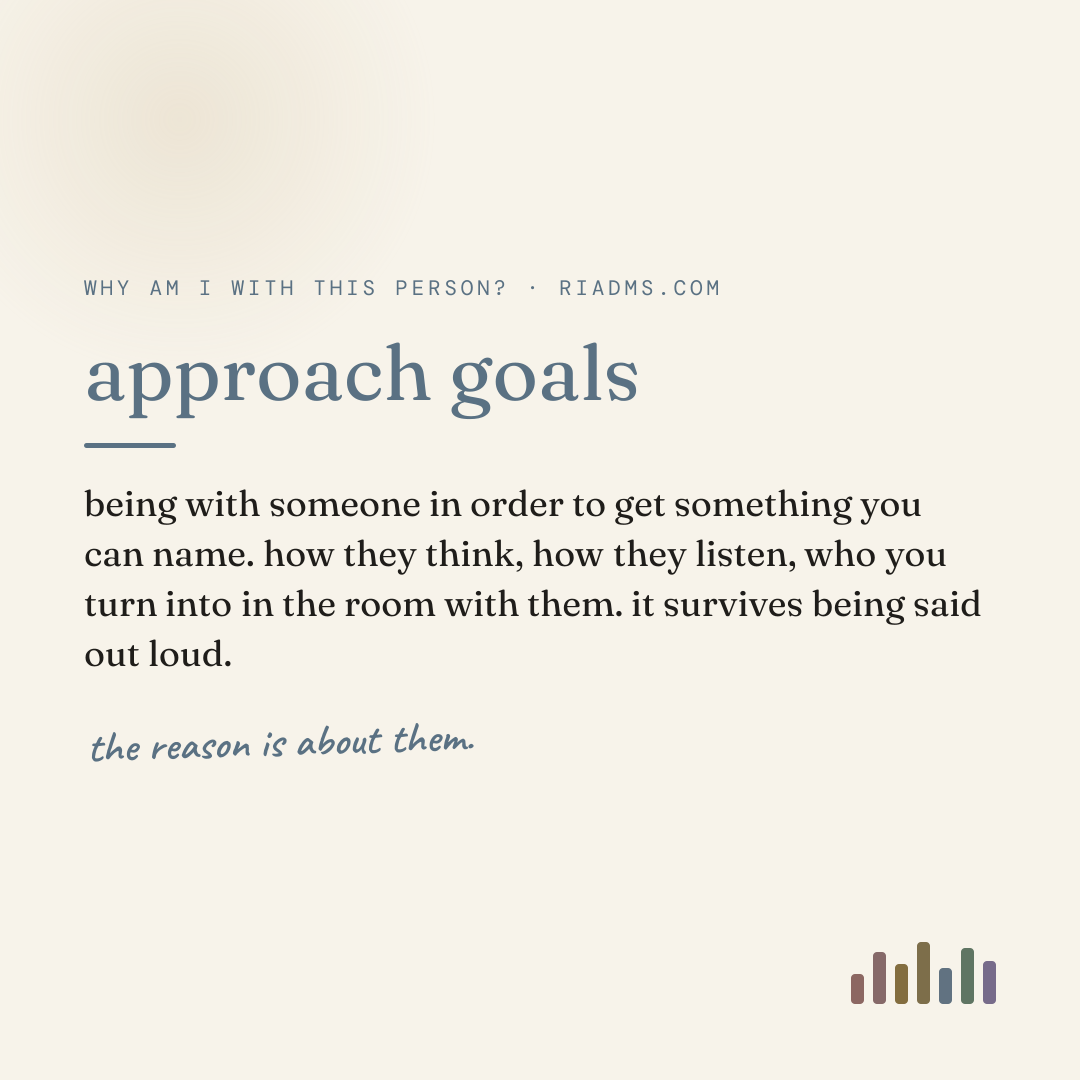
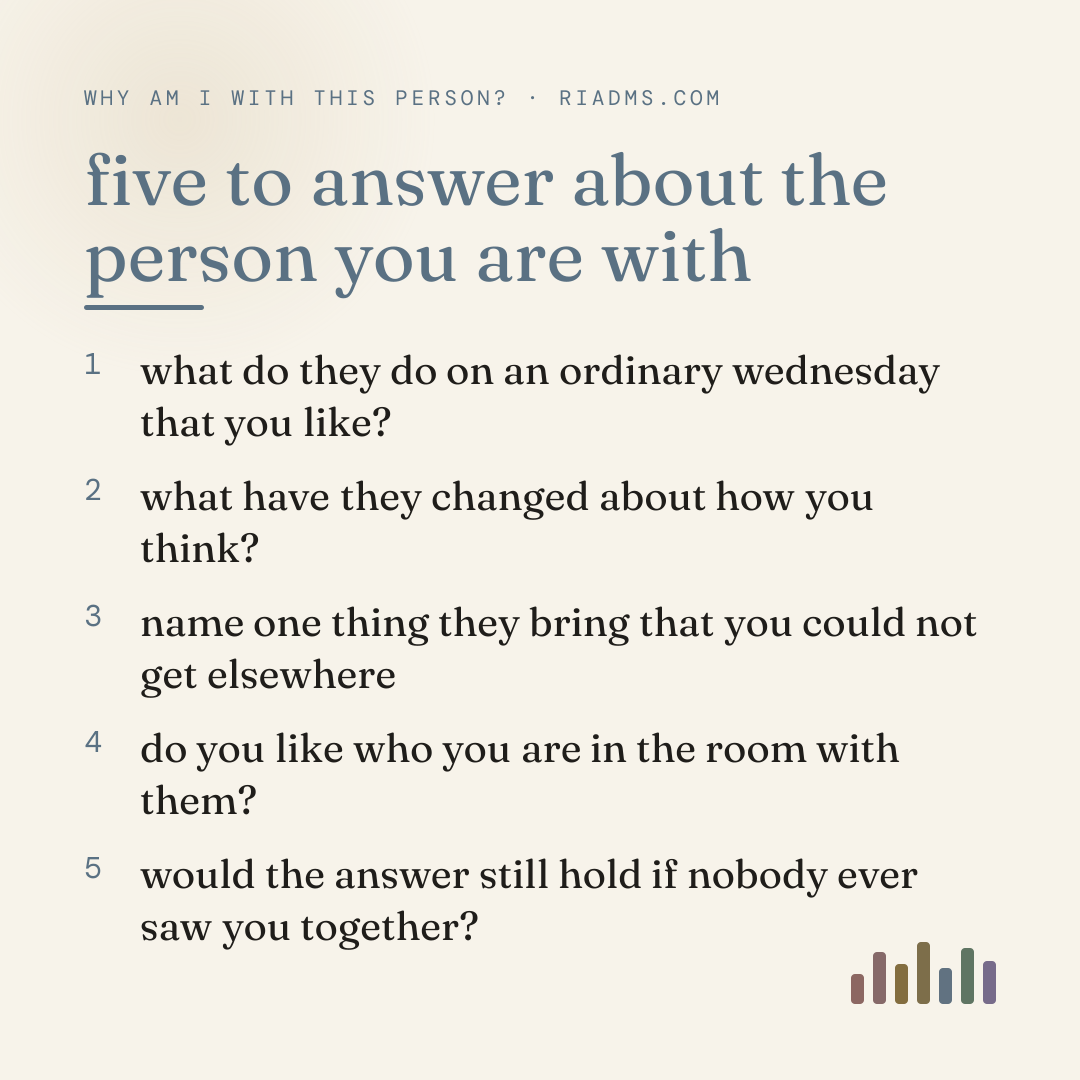
And what I found when I asked the questions first was almost embarrassingly ordinary. I like how open our conversations are. I like that there’s no filter. I like the way he listens. I like that he tries to make me feel better in every situation. Nothing there would make a film.
But there’s a study I think about with this. David Buss’s 37-culture survey in 1989 asked roughly 10,000 people what they wanted in a partner, and across almost every culture the top two were kindness and intelligence, above looks and above money. Everyone already knows the answer. What people don’t have is a moment where the answer is allowed to decide anything, because by the time they’re asked, the pull has already picked.
two things people said back, and both are fair
When I said this out loud, two objections came back, and I don’t think either is wrong.
The first: it sounds like pricing a person. I compared it to a job interview, which I now think was a bad comparison, because the version of “what do you bring to the table” that men use on women is a transaction and this isn’t one. The difference is what happens to the answer over time. A transaction is checking whether someone is worth what they cost. This is closer to being able to say what you love about somebody without reaching for how they look. If your list is real, it grows. A price doesn’t grow.
Sandra Murray and colleagues found in 1996 that people who idealised their partners were more satisfied and stayed together longer, and that partners tended to grow into the generous version. So seeing somebody better than they are is not the error. The error is inventing a person who isn’t there. Which means the list has to be about who they actually are on an ordinary week, or it’s the renovation trap wearing better clothes.
Lisa Neff and Benjamin Karney put a finer point on it in a paper called To Know You Is to Love You. Across two longitudinal studies, nearly every newlywed adored their partner in general terms, so the adoration told you nothing. What varied was accuracy about specifics: whether you could name what this person is actually like. For wives, more accurate specific perception predicted supportive behaviour, feeling some control in the marriage, and whether the marriage ended in divorce. It showed up for wives and not for husbands, and I’m not going to smooth that over, because nobody knows yet why.
Their sentence is better than mine: love grounded in specific accuracy appears to be stronger than love absent accuracy. That’s the whole answer to the pricing objection. The list isn’t a valuation. It’s evidence you know who is in the room.
The second: this reads as me saying my way is better. It isn’t, and I want to be more careful about it than I was. If you’re wordallosexualSomeone who does experience sexual attraction. The word exists so that "not asexual" has a name of its own, instead of being treated as the default that needs no label.what does allosexual mean? →, physical attraction means a great deal to you, and no amount of question-asking will or should replace it. I’m not describing a superior method. I’m describing what one particular variable being missing made visible, the way you learn what a sound was doing in a mix by muting it.
keep reading
If you read one thing past this page, make it Angela Chen’s Ace, which is the book on what asexuality reveals about desire for everybody rather than only for ace people, and the relationships chapter is the long version of this argument.
If you read one study, read Spielmann and colleagues, because the standards finding is buried in it and it is the one that will change what you do. If you read two, read Acevedo and Aron next to Hatfield, in that order, and let them disagree in front of you. One says the part that fades and the part that lasts were never the same thing. The other says nothing lasts on its own. Both are right about something and neither is the shrug.
And the nearest page to this one is is it love, or just comfort?, which asks the same question from the other side, once you’re already in.
You don’t have to be asexual to ask this. You just have to ask it earlier than you’re going to want to, at the point where the honest answer might still cost you something.
And if the answer comes back and it’s about them, and you can say it out loud without it sounding like a slogan, then good. That’s the whole thing. If it comes back and it’s about you, that isn’t a verdict on the relationship either. It’s just information you didn’t have this morning.


