the shelf · 101 books
every book i recommend, sorted by what’s wrong
Most reading lists are sorted by subject, which is useless, because nobody wakes up wanting a book about attachment theory. They wake up unable to stop checking whether one specific person has posted.
So this is sorted by the thing that sent you looking. Find the sentence that describes your week and start there. Everything on this page is a book I would hand to a person in front of me, and under each one is the reason it’s here rather than a blurb.
these are amazon affiliate links, so if you buy through one i earn a small commission and it costs you nothing extra. as an amazon associate i earn from qualifying purchases. nobody paid to be on this page and nobody can.
if you can’t stop thinking about someone
the obsession shelf. these are for the feeling that has taken over more of your head than you agreed to.
And when one person’s need for closeness is met with another person’s need for independence and distance, a lot of unhappiness ensues.
-
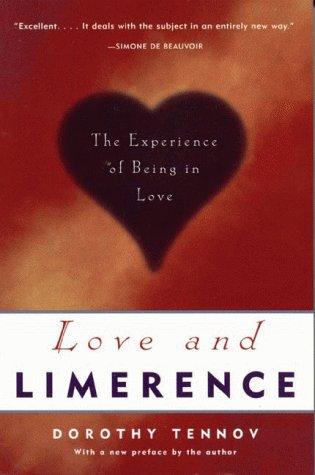
Love and Limerence
Dorothy Tennov
the 1979 book that named the thing. intrusive thinking, the need for them to reciprocate, the fear of rejection, and a burn that runs eighteen months to three years. if you read one book off this page, read this one.
-
Attached
Amir Levine & Rachel Heller
why anxious attachment is limerence-prone. the obsessive machinery was already running before you met them, it just found a target.
-
How to Break Your Addiction to a Person
Howard Halpern
a whole book on attachment hunger. needing a person like a fix, and how intensity gets mistaken for depth.
-
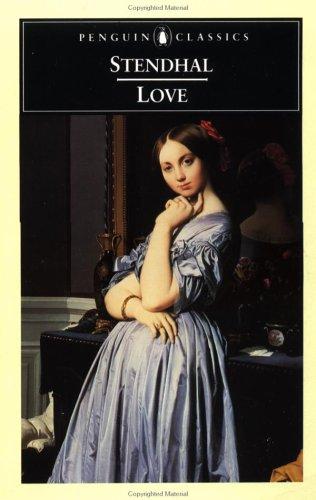
On Love
Stendhal
where crystallisation comes from. a novelist mapped projection in love in 1822, two centuries before the researchers got to it, and nobody has described it better since.
-
Women Who Love Too Much
Robin Norwood
dated in places and still the most direct book about mistaking the work of loving someone difficult for love itself.
-
Getting Past Your Breakup
Susan J. Elliott
the practical case for no contact, from someone who ran breakup support groups for years. useful in the week where nothing else is.
if you’re trying to tell love from something else
comfort, habit, relief, need. the books that hand you a way to tell them apart.
-
The Art of Loving
Erich Fromm
love as something you do, not something that happens to you. his phrase is standing in love, not falling for. written in 1956 and it still ends the argument.
-
Hold Me Tight
Sue Johnson
adult love as an attachment bond, a safe haven and a base you leave from. the science of why calm is the signal and not the absence of one.
-
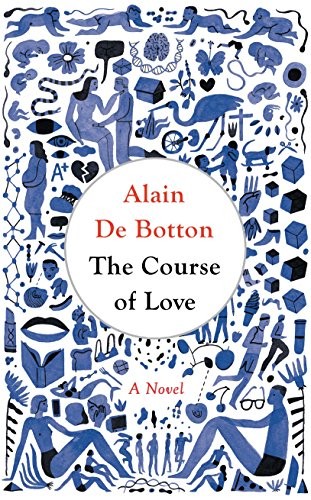
The Course of Love
Alain de Botton
a novel about what happens after the crystals fall off. loving the ordinary disappointing actual person instead of the one your head built.
-
Too Good to Leave, Too Bad to Stay
Mira Kirshenbaum
thirty six diagnostic questions for the stay-or-go fork. it is a whole book about telling inertia from love, which is the question i get asked most.
-
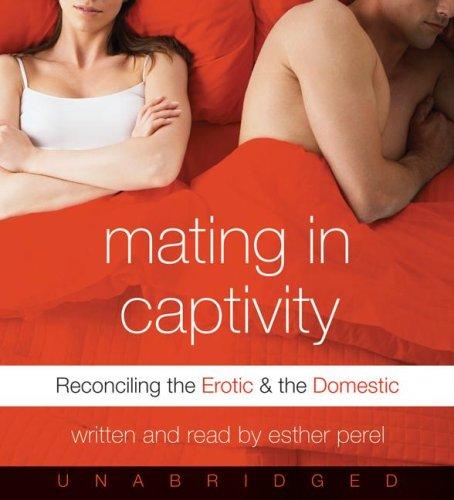
Mating in Captivity
Esther Perel
the collision in asking one person to be both your safe home and the source of your desire. those two demands do not want the same conditions.
-
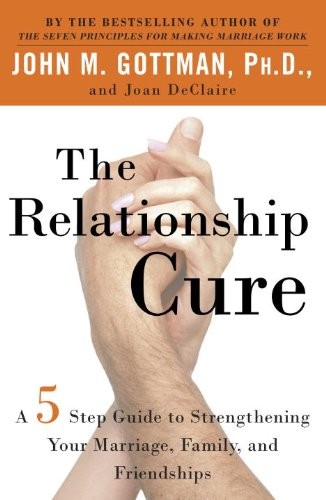
The Relationship Cure
John M. Gottman
where the bids for connection come from, and the 86% vs 33% finding. the whole book is an argument that love is built out of moments too small to notice.
-
The Seven Principles for Making Marriage Work
John M. Gottman
the one built on watching thousands of couples in a room rather than asking them how it is going. the friendship underneath is the part that predicts whether it lasts.
-
Mindset
Carol S. Dweck
fixed vs growth, written about ability. read it thinking about love instead and the soulmate belief stops looking romantic and starts looking like a fixed mindset.
-
Symposium
Plato
the dinner party where the soulmate myth was born, as a joke, told by the comedian at the table. worth reading to see how little of it plato actually endorsed.
-
The All-or-Nothing Marriage
Eli Finkel
the case that we set the bar at one person being everything, and what it costs. either meet it or lower it on purpose, but stop doing it by accident.
-
Coercive Control
Evan Stark
the book that argued domestic abuse is neither primarily domestic nor necessarily violent, and that what is being taken is your liberty rather than your safety. it is academic and it is heavy going, and it changed the law in several countries.
-
Why Does He Do That?
Lundy Bancroft
fifteen years of running groups for abusive men, written up for the people they were abusive to. the one that explains that the charm at the start and the coldness later are not two phases, they are one strategy.
-
The Gift of Fear
Gavin de Becker
on charm as something a person does to you rather than something they are, and on the read your body files before you can explain it. the chapter on unsolicited help is worth the whole book.
-
The Verbally Abusive Relationship
Patricia Evans
the one that names the thing that leaves no mark and no evidence, which is most of why it goes on so long.
-
Psychopath Free
Jackson MacKenzie
written for the person afterwards, working out what happened. the idealise, devalue, discard shape, described plainly.
-
The State of Affairs
Esther Perel
infidelity taken seriously as a thing that happens in good relationships too, rather than as proof somebody is a monster.
-
Thus Spoke Zarathustra
Friedrich Nietzsche
not a love book, and here for one reason: it is the clearest argument that what you want is mostly what you were handed to want. the chapter on the friend is the one to read first.
-
Beyond Good and Evil
Friedrich Nietzsche
the one to read if zarathustra was too much theatre. the same argument in plain paragraphs: your morals have a history, and somebody benefited from writing them.
-
The Four Loves
C.S. Lewis
four words for the thing english gives one word to: affection, friendship, eros and charity. written in 1960, and still the cleanest version of the argument this whole channel is built on.
if you’re working out whether you’re asexual
the ones i give people who message me at 2am asking whether there is a word for it. there is.
All I had to do was wait, and my big love story would come.
-
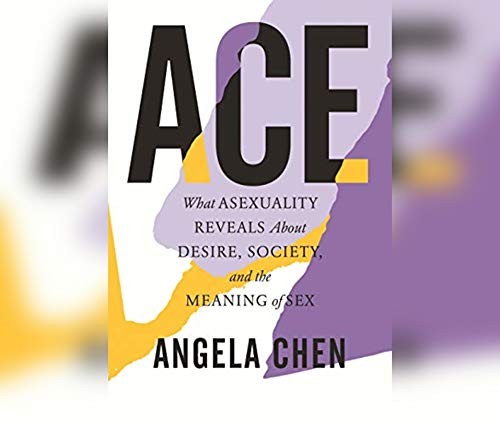
Ace
Angela Chen
what the ace spectrum shows everyone about desire, not just ace people. the clearest writing anywhere on compulsory sexuality. the vantage point most of my videos are written from.
-
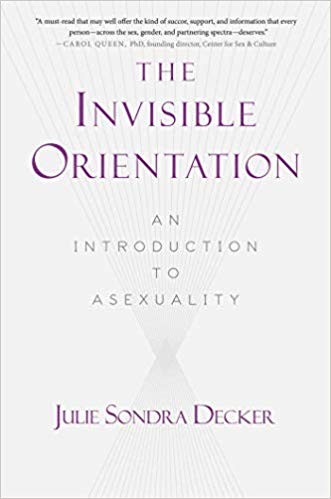
The Invisible Orientation
Julie Sondra Decker
the introduction. the whole spectrum of words in one place, demisexual and gray-a included, written for someone who has just found the term.
-
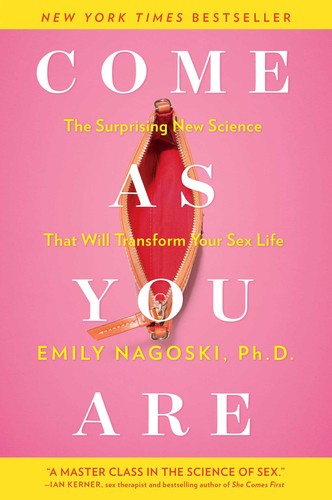
Come as You Are
Emily Nagoski
the 300 page version of responsive versus spontaneous desire. it is how you tell "my desire needs a running start" apart from "my attraction needs a whole relationship first".
-
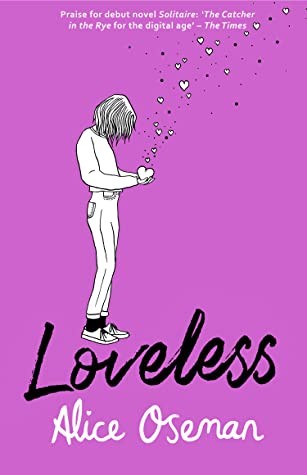
Loveless
Alice Oseman
a novel from inside the spectrum, about a girl finding out she is asexual and aromantic and that a friendship can be the great love of her life. the one i wish i had at nineteen.
-
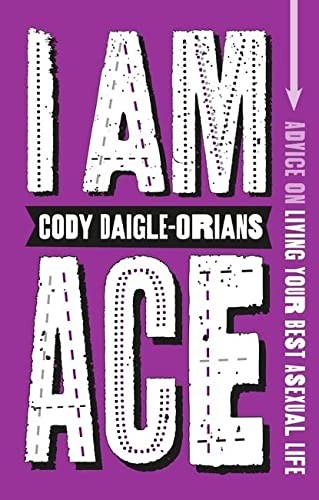
I Am Ace
Cody Daigle-Orians
advice rather than an explanation. the one to hand someone in the first week, because it answers what do i do now instead of only what is this called.
-
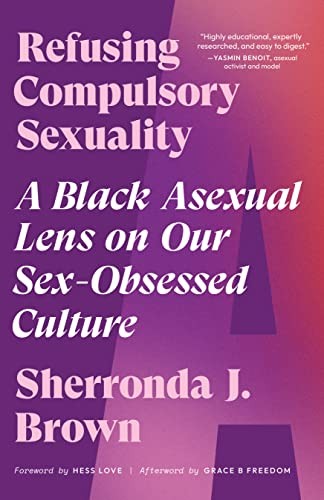
Refusing Compulsory Sexuality
Sherronda J. Brown
a black asexual lens on a culture that treats wanting sex as proof you are a whole person. the one that argues rather than introduces, and the sharpest writing on this shelf.
-
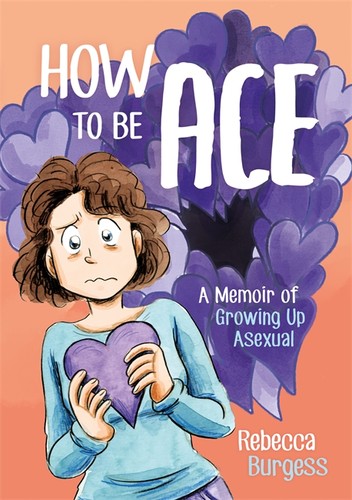
How to Be Ace
Rebecca Burgess
a memoir in comics about growing up ace and anxious. the format does something the essays cannot, which is let you watch it happen to someone over years instead of being told what it is.
if you’re lonely, or the friendships aren’t enough
on loneliness as a signal rather than a verdict, and on building a life around friendship.
The word “lonely” described the state of being alone, rather than the exquisite pain of it.
-
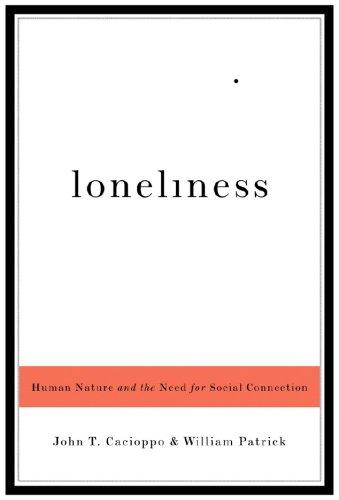
Loneliness: Human Nature and the Need for Social Connection
John Cacioppo & William Patrick
loneliness is an alarm, the social version of hunger. it is asking for connection in general, not for one specific person. reading this is what stopped me misfiling it as love.
-
Loneliness: The Experience of Emotional and Social Isolation
Robert S. Weiss
the 1973 book that split loneliness into social and emotional, and said one does not fix the other. the source under every page on this site about being lonely with people around.
-
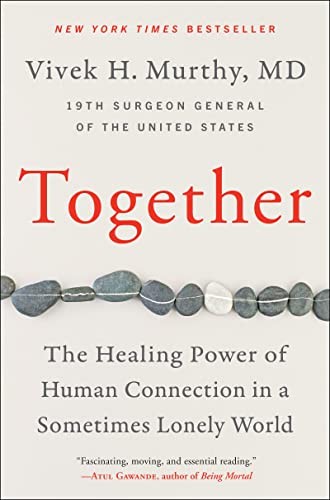
Together
Vivek H. Murthy
the former surgeon general on loneliness as a health problem and connection as the treatment. connection broadly, which is exactly what the alarm was asking for.
-
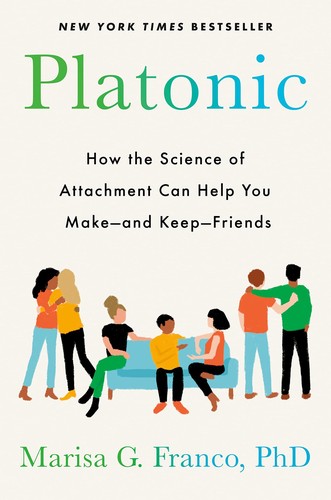
Platonic
Marisa G. Franco
how adults actually make friends, from attachment research. the part about initiative being the whole game is the part that changed what i do.
-
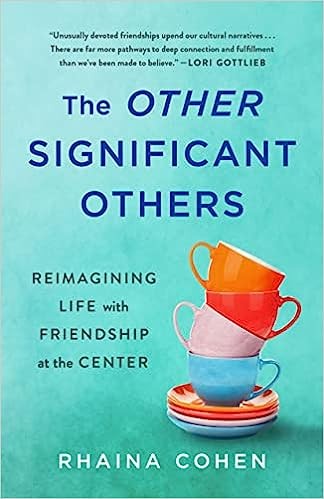
The Other Significant Others
Rhaina Cohen
people who built their whole lives around a friendship instead of a marriage. the closest thing there is to a book length case for the queerplatonic life.
-
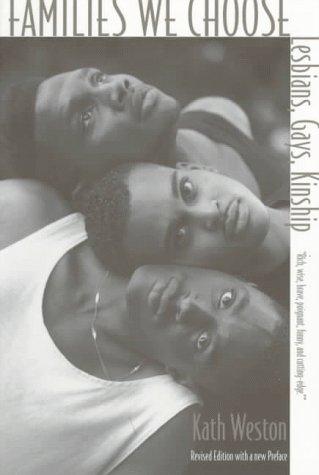
Families We Choose
Kath Weston
the 1991 anthropology of chosen family. real kinship built from the people you pick instead of the ones you were assigned.
-
The Loneliness Cure
Kory Floyd
the researcher on affection deprivation. skin hunger, and how to actually meet the need for touch that adulthood starves without telling you.
-
Touch
Tiffany Field
the whole science of touch from the person who built the field. skin is the first sense to develop and the last one anyone takes seriously.
if you want to know why you like who you like
attraction, beauty, choice, and the culture doing more of the deciding than you think.
How long have you been going on dates and complaining that there’s no spark?
-
Survival of the Prettiest
Nancy Etcoff
what beauty is, why brains react to it in milliseconds, and why that reaction is not the same thing as wanting someone. by one of the authors of the 2001 faces study.
-
The Evolution of Desire
David M. Buss
the trade book behind the 37 cultures study. the full evolutionary case for why a good mind ranks so high in what humans say they want.
-
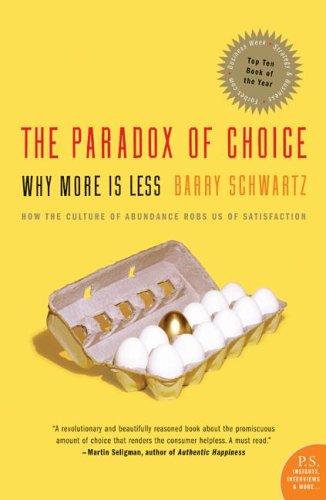
The Paradox of Choice
Barry Schwartz
why more options produce more regret, and the difference between maximisers and the people who just pick someone and stay happy.
-
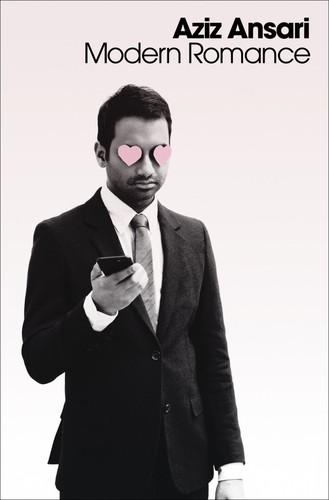
Modern Romance
Aziz Ansari & Eric Klinenberg
a sociologist and a comedian on how endless options rebuilt dating, and what it costs. funnier than the research it is carrying.
-
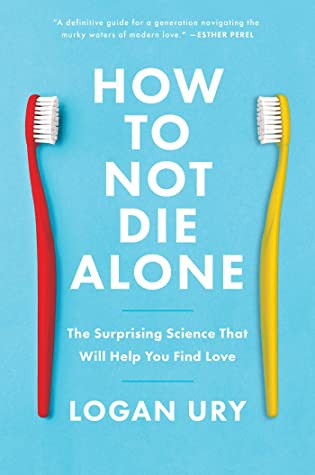
How to Not Die Alone
Logan Ury
behavioural science pointed at dating. the three dating tendencies framework is the most useful thing in it, and it is in the first fifty pages.
-
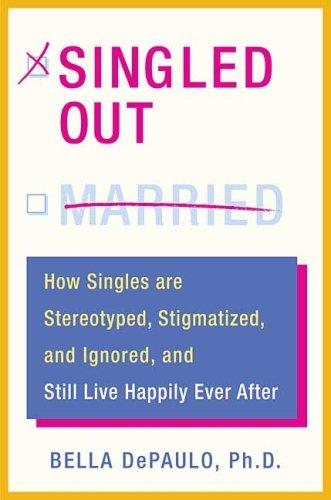
Singled Out
Bella DePaulo
the research case that single people are as happy and as connected as married ones. staying single is an answer, not a waiting room.
-
Minimizing Marriage
Elizabeth Brake
where amatonormativity was coined in 2012. the assumption that everyone should want one central exclusive romantic relationship, named and taken apart. it is academic philosophy, so it reads like it.
-
Tomorrow Sex Will Be Good Again
Katherine Angel
short, and the best argument anywhere that consent is necessary and nowhere near sufficient. she goes after the demand that you know your own desire in advance and can state it on request.
if the feeling is bigger than the situation
where a feeling comes from, why your body gets a vote, and why other people’s moods land on you.
Since when is solitude one of the Seven Deadly Sins?
-
Thinking, Fast and Slow
Daniel Kahneman
the peak-end rule lives in here. how you remember an evening is the best bit and the last bit, which means the ending is worth planning.
-
How Emotions Are Made
Lisa Feldman Barrett
a feeling is constructed, not detected, and your body is half the raw material. this is where the body budget idea lives.
-
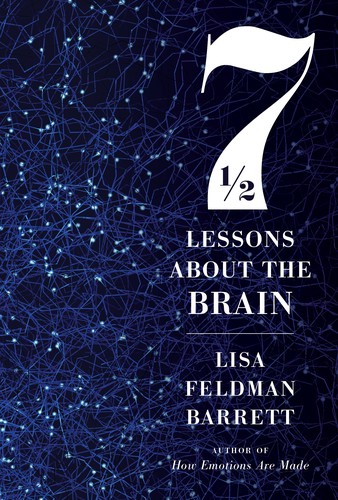
Seven and a Half Lessons About the Brain
Lisa Feldman Barrett
shorter and cleaner than the big one. the body budgeting lesson is the best explanation of "sad for no reason" i have found anywhere.
-
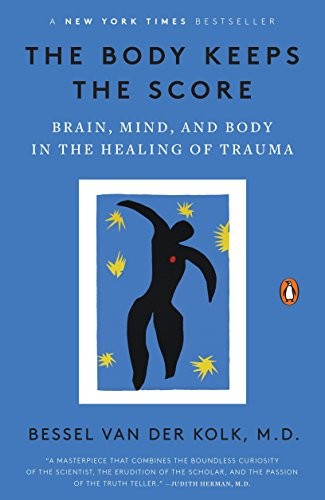
The Body Keeps the Score
Bessel van der Kolk
how the body stores what the mind will not show you. the research grounded neighbour to Pete Walker.
a heads up trauma, abuse
-
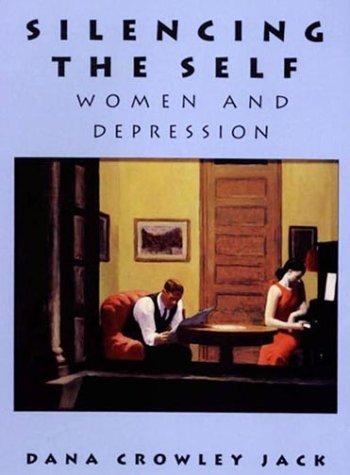
Silencing the Self: Women and Depression
Dana Crowley Jack
the 1991 book behind the self-silencing research: putting your own needs last to keep a relationship calm, and agreeing outwardly while disagreeing inwardly. thirty years of measurement sit on top of it.
-
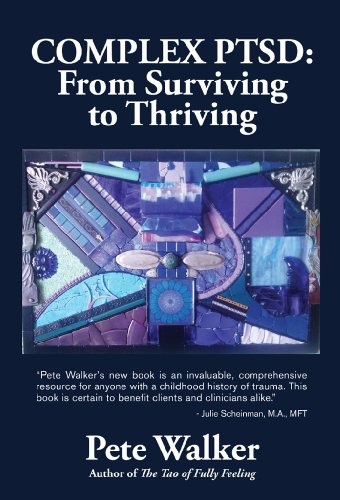
Complex PTSD: From Surviving to Thriving
Pete Walker
the emotional flashback. dropping into an old feeling with no image attached to explain it. a therapist’s framework rather than a lab finding, and it is about real early wounds, so hold it for the feelings that are too big for the moment.
a heads up childhood abuse and neglect
-
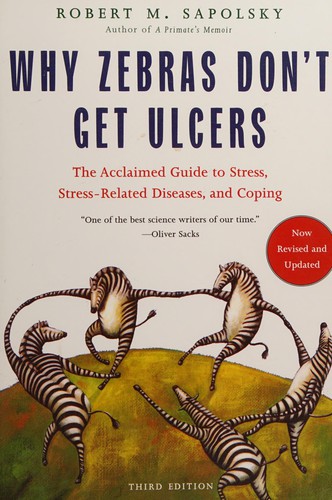
Why Zebras Don’t Get Ulcers
Robert Sapolsky
the backbone on stress physiology, including why the body crashes after the threat is over rather than during it.
-
The Managed Heart
Arlie Hochschild
where emotional labour and surface acting come from. performing a feeling you do not have is the thing that drains you, not the feeling.
-
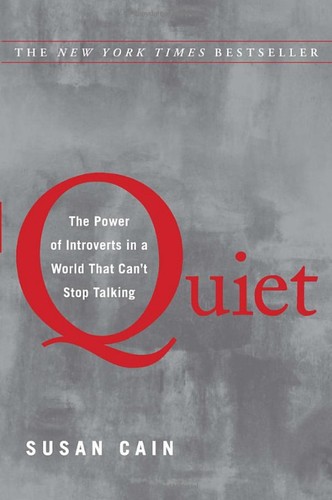
Quiet
Susan Cain
introversion and overstimulation, without reducing either to "you hate people". good on why the drain after a party is real.
-
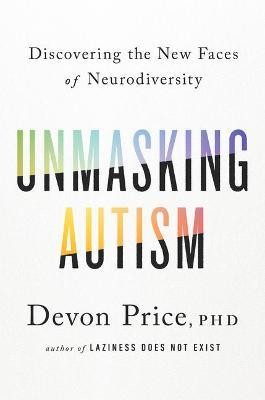
Unmasking Autism
Devon Price
the fullest treatment of masking and what it costs, by a social psychologist. useful even if you are not autistic, and a lot of people find out here that they are.
-
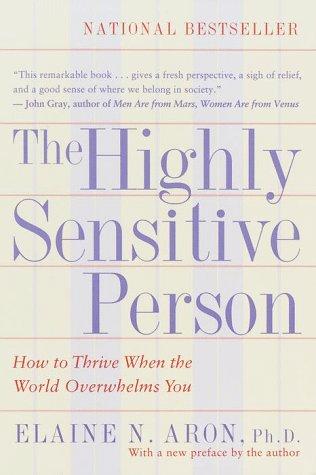
The Highly Sensitive Person
Elaine Aron
the trade book on a sensitive nervous system, for anyone who recognised themselves as the sponge in the room.
-
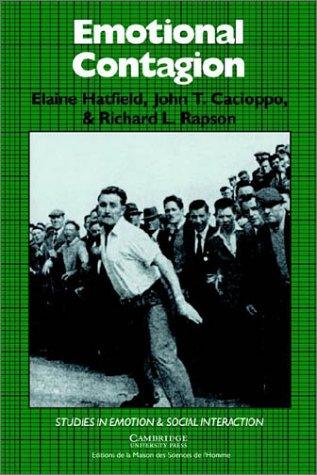
Emotional Contagion
Elaine Hatfield, John Cacioppo & Richard Rapson
the full book behind the idea, and still the deepest source on how a feeling moves from one person to another without either of them noticing.
-
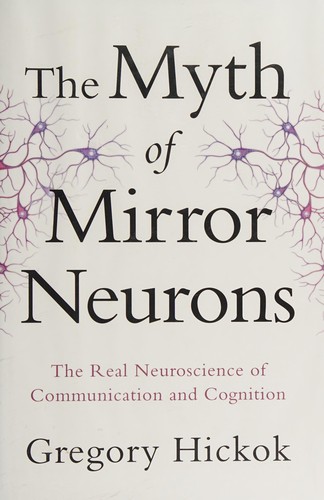
The Myth of Mirror Neurons
Gregory Hickok
the sceptic. mirror neurons are real in monkeys, but the popular empathy-neurons story is oversold. read it so you do not overclaim, including at me.
-
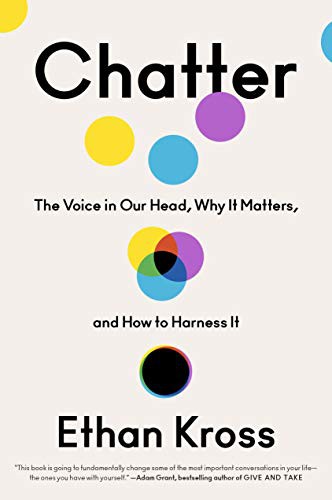
Chatter
Ethan Kross
the practical science of labelling and distancing. the tools for stepping back from a feeling before it takes the whole day.
-
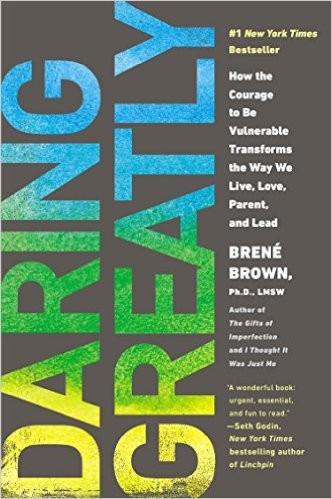
Daring Greatly
Brené Brown
the popular case for vulnerability as the thing courage is made of rather than the thing that gets you hurt. qualitative research, not experiments, and worth reading as such.
-
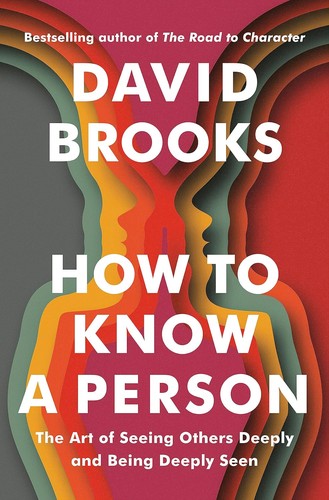
How to Know a Person
David Brooks
the skill of making another person feel seen, treated as a skill that can be learned rather than a personality you either have or do not.
-
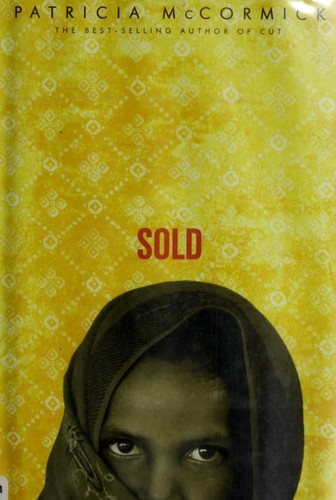
Sold
Patricia McCormick
a novel in verse about a girl sold out of a village in nepal into a brothel in india, told in pieces short enough to survive reading. it sits on banned lists constantly, which is usually the tell that a book is doing its job.
a heads up sexual violence, child trafficking
if you just want a love story
the novels. love written without sex doing the work, which is the only way i can read it.
i wrote about these seven at length, with the research behind each pick, on the reading list.
The idea that if you keep playing, you could win. No loss is permanent, because nothing is permanent, ever.
-
Six of Crows2 books
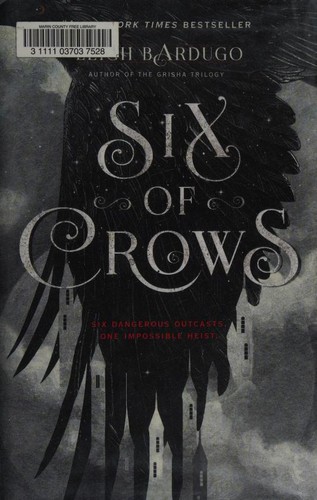
Six of Crows
Leigh Bardugo
the love story where they barely touch, and it is the most charged thing i have read. two people who cannot stand to be near each other and cannot leave.
-
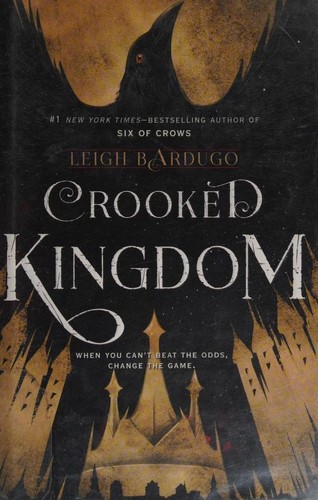
Crooked Kingdom
Leigh Bardugo
book two, and the half where what they are to each other gets paid off. the duology is one book split in two and it should be read that way.
-
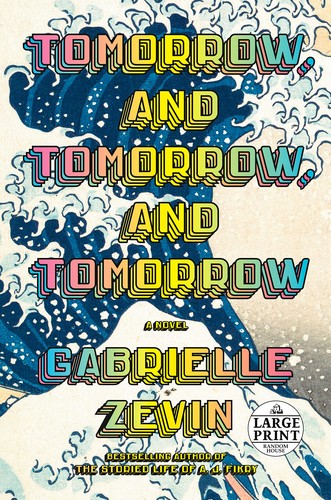
Tomorrow, and Tomorrow, and Tomorrow
Gabrielle Zevin
a love the author refuses to label for four hundred pages, on purpose. the whole book is an argument that the label was never the point.
-
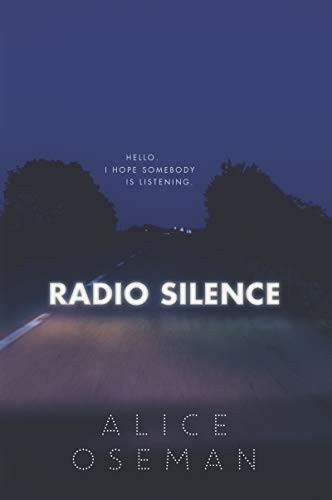
Radio Silence
Alice Oseman
the friendship at the centre is never turned into a romance, and nobody in the book treats that as a loss. the burnout is the actual plot.
-
Letters to the Lost2 books
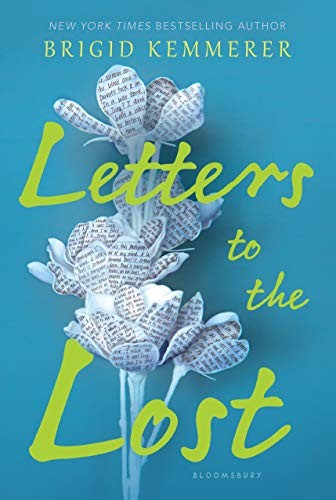
Letters to the Lost
Brigid Kemmerer
two people who know each other only through letters they never sign. the one she read at the age the idea of love was being formed.
-
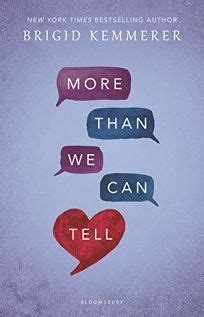
More Than We Can Tell
Brigid Kemmerer
book two, the same town from the other side. a boy who cannot say the thing out loud, and a girl being harassed off a game she built.
-
Words in Deep Blue
Cath Crowley
letters left inside secondhand library books. love as something written down and waited on rather than said.
-
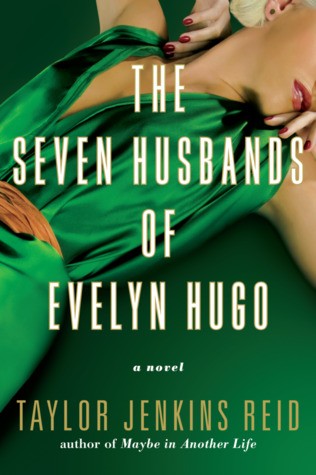
The Seven Husbands of Evelyn Hugo
Taylor Jenkins Reid
seven marriages and one real love, and the book knows exactly which is which the whole time. performative love against the actual thing.
-
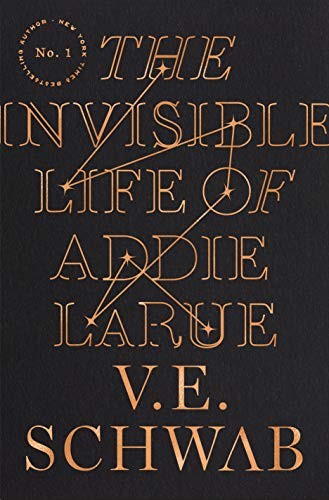
The Invisible Life of Addie LaRue
V.E. Schwab
three hundred years of nobody being able to remember her. it is the best book about being unknown i have read, and being known is the whole thing i talk about.
-
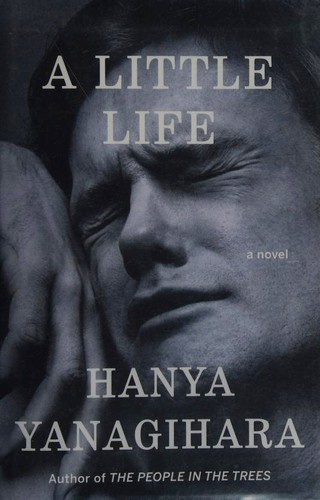
A Little Life
Hanya Yanagihara
love as staying, for decades, without being owed it. the friendship in this book is the largest love story i know.
a heads up self harm, child abuse, suicide. this one is genuinely heavy, please check before you start it.
-
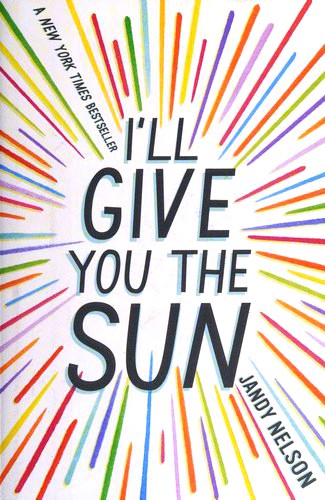
I’ll Give You the Sun
Jandy Nelson
twins telling the same three years from either end of it, one at thirteen and one at sixteen. the sentences are doing so much that it should not work, and it does.
-
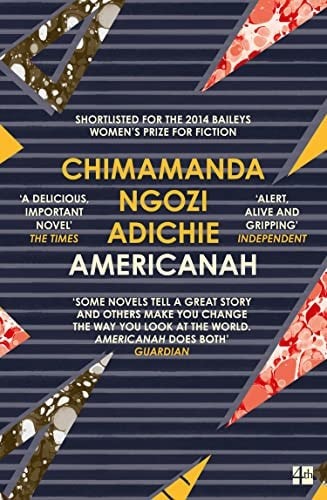
Americanah
Chimamanda Ngozi Adichie
a love story across fifteen years and two countries that spends most of its length on everything other than the love, which is exactly why the love lands.
-
The Raven Cycle4 books
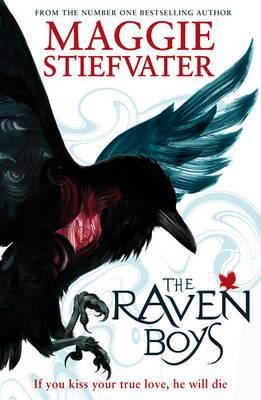
The Raven Boys
Maggie Stiefvater
book one. four boys, a girl told that her kiss will kill her true love, and a wanting that never once gets resolved by touching.
-
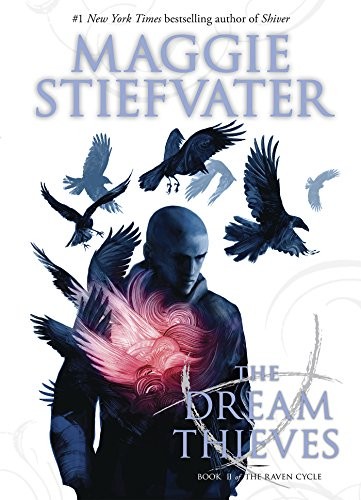
The Dream Thieves
Maggie Stiefvater
book two, and ronan’s. the series stops being about the quest here and starts being about the four of them.
-
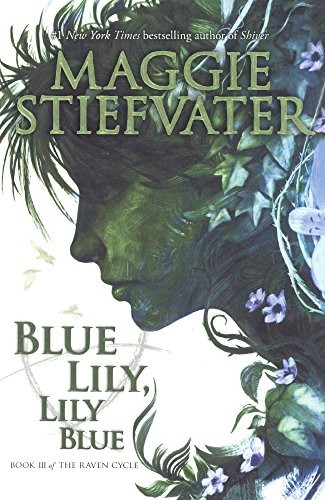
Blue Lily, Lily Blue
Maggie Stiefvater
book three, the slowest one, and the one where the feeling between them is doing all the work on its own.
-
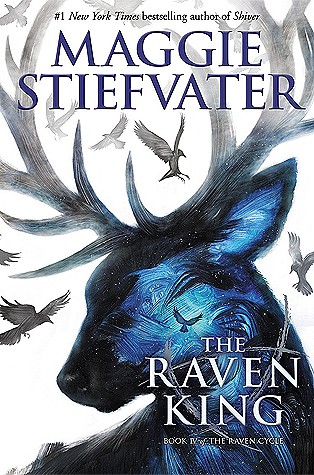
The Raven King
Maggie Stiefvater
book four, the last one. it pays off a want built across four books without ever making it about sex, which is the whole reason the series is on this shelf.
-
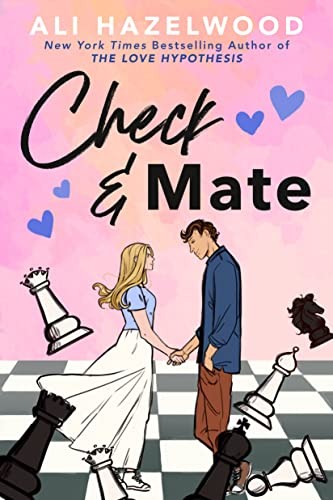
Check & Mate
Ali Hazelwood
competitive chess, and the two of them are never once alone in a room without something at stake. the restraint is the point.
-
The Quantum Mechanics of the Almost Kiss
Amy Noelle Parks
the whole book is the inch before. it holds the almost for three hundred pages and never cashes it in cheaply.
-
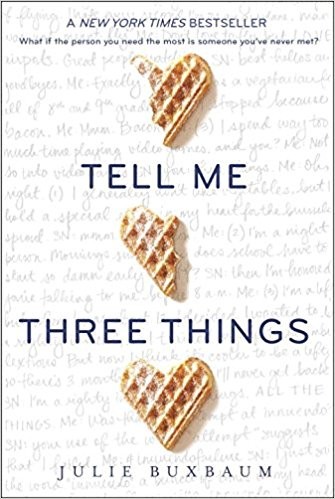
Tell Me Three Things
Julie Buxbaum
they fall for each other over email, so you watch it happen in sentences instead of in a room.
-
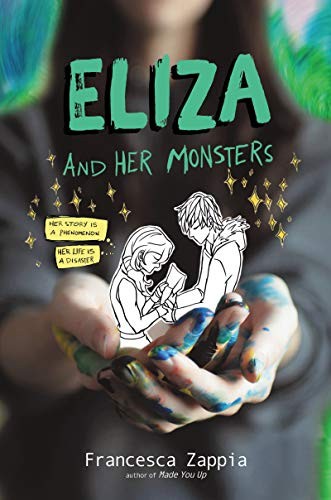
Eliza and Her Monsters
Francesca Zappia
two anonymous people on the internet who know each other better than anyone offline does. that is the love story.
-
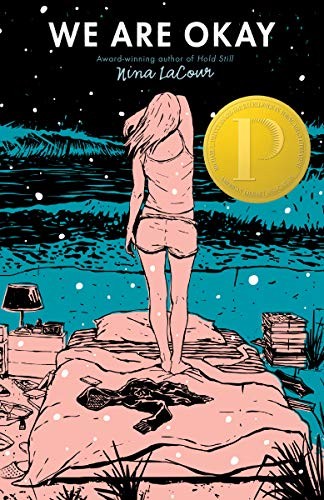
We Are Okay
Nina LaCour
grief, and somebody getting through to her anyway. short, quiet, and it took me a week to put down properly.
a heads up grief, parental death.
-
Yumi and the Nightmare Painter
Brandon Sanderson
a romance between two people who cannot occupy the same world at the same time. they never get to touch and it is still the warmest thing.
what i’m reading this autumn
i put 42 books i own and have not read on a wheel and let it choose. i picked none of these, and i am reading them in the order it gave them to me.
the wheel is at the tbr spinner if you want to put your own books in it, and the video where it picked these is here.
Tella wanted nothing to do with love; she’d learned long ago it was not in her destiny.
-
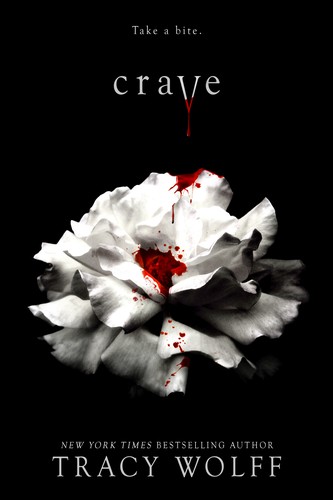
Crave
Tracy Wolff
i’m from romania, vampires come from romania, and the only vampire thing i’ve read is vampire diaries. four books, series finished. it might be a dnf and i’m starting it anyway.
-
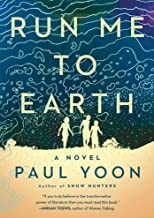
Run Me to Earth
Paul Yoon
three orphans in laos in the 1960s. i got it off my library’s sale shelf for about a dollar, read the first few pages, and it’s so poetic i already know how this ends for me.
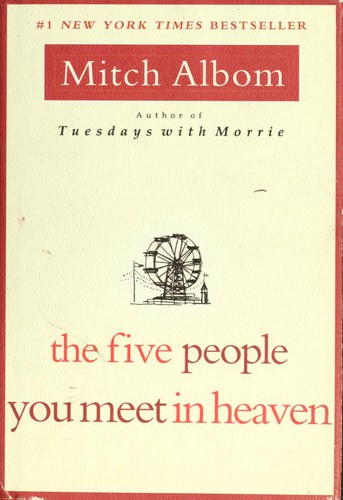
-
The Five People You Meet in Heaven
Mitch Albom
eddie dies and heaven turns out to be five people explaining his own life back to him. same author as tuesdays with morrie, which i read so slowly i’m not sure i finished it.
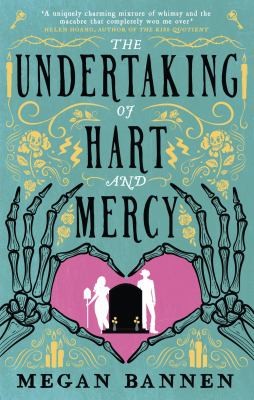
-
The Undertaking of Hart and Mercy
Megan Bannen
a romance about handling the bodies of the dead, which is the strangest setup i’ve heard for one. i listened to about one percent last year and the banter was already so high.
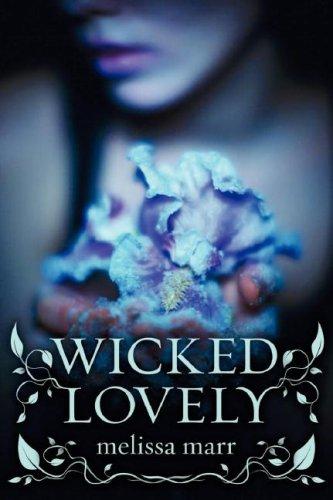
-
Wicked Lovely
Melissa Marr
faeries sitting on top of the real world. i found it searching for a character like jacks from once upon a broken heart, then read enough about it to think that’s probably wrong, and i want the dark mysterious world anyway.
-
If Not You
Ellen O’Clover
two rival copywriters pitched against each other for the same resort, then a month on the road together. from book of the month, 360 pages, and the cover is the most autumn thing i own.
-
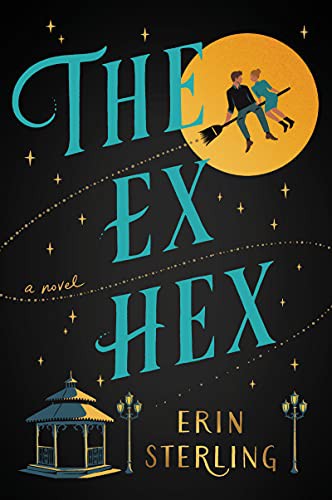
The Ex Hex
Erin Sterling
a witch curses the boyfriend who broke her heart, and then he comes back to town. the tagline is never mix vodka and witchcraft, which is a weirdly specific thing to be warned about.
-
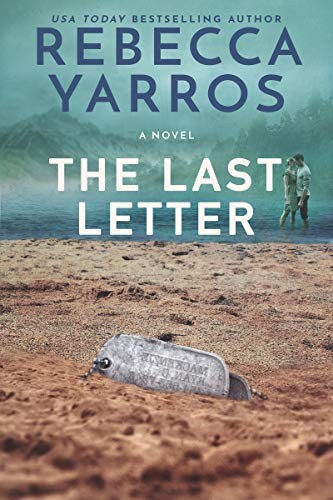
The Last Letter
Rebecca Yarros
i know two things about it. everyone cries at the end, and ryan asks his best friend to look after his sister. i think i have to prepare myself for this one.
a heads up cancer, and a death that the letters are written around.
-
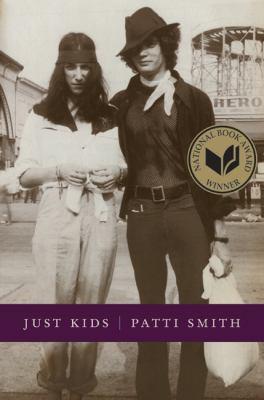
Just Kids
Patti Smith
patti smith and robert mapplethorpe, whose photography i studied in an art class at university. people keep telling me it’s beautifully written, and it has the actual photographs in it.
-
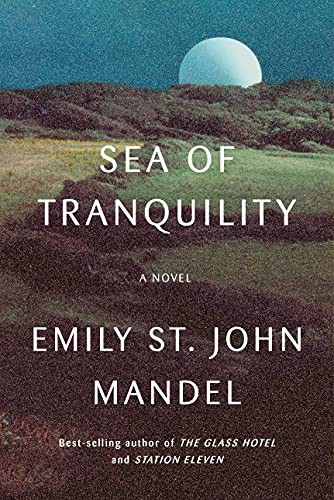
Sea of Tranquility
Emily St. John Mandel
six hours on audio, which at my pace is about two weeks. i don’t read much literary fiction and when i do i want it short, so this is my way back in.
-
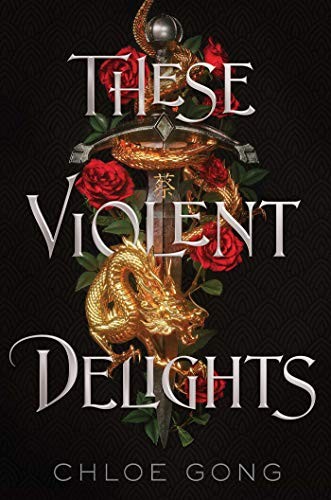
These Violent Delights
Chloe Gong
shanghai in 1926, two networks of criminals, two people who are actually each other’s enemies. contemporary romance can’t really do true enemies to lovers. this can.
-
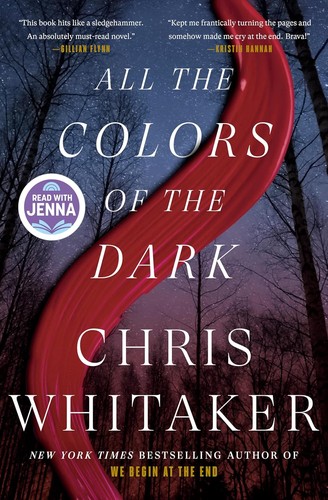
All the Colors of the Dark
Chris Whitaker
1975, after vietnam, a story about trauma with some love in it that i don’t think turns into a romance. it’s also a thriller and people keep saying the language is poetic. it arrived in a package a minute before i spun.
-
The Unfortunate Side Effects of Heartbreak and Magic
Breanne Randall
a curse on love, set in the real world instead of a fantasy one. it says for fans of practical magic and gilmore girls, which is the perfect combination of things.
-
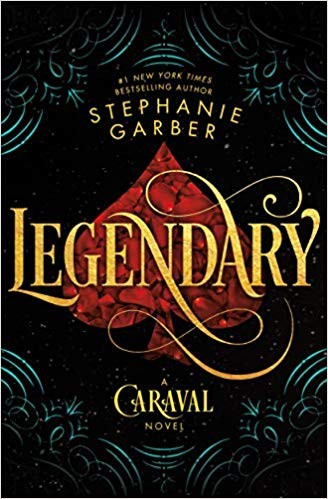
Legendary
Stephanie Garber
i read caraval, didn’t know jacks was in book two, and went and read once upon a broken heart instead. apparently he’s mean and manipulative in this one and i don’t know if i have the guts. the wheel decided for me.